Tarot Card Reading Online: Discover the Energy and Mood of Your Day
The day sets the tone for us. Online Tarot Card Reading: Find Out the Energy and Vibe of Your Day
The day is the tone setter.
Some mornings start with a funny feeling that something good is going to happen. Other days are slow, uncertain, and off before we've even had our first cup of coffee. But what if the universe had already given us some clues? What if you could receive a tiny taste of the energy around your day before you even step into it?
We've all seen it in films.
A strange psychic sits in a darkly lit room, a mystical crystal ball glowing on the table, and the hero is told to pick one card. The psychic looks at it, waits a moment and suddenly knows exactly what is going to happen. Then we cut to the following scene and the hero's day proceeds as expected.
Magic? Definitely.
Realistic? Not always.
In the real world, things rarely work out exactly as planned. Things change. People never cease to amaze us. Things just come out of nowhere, and sometimes the thing you're worrying about never even happens.
So can tarot cards actually tell us what is about to happen?
Not quite.
A tarot card reading is less about predicting a definite future and more about understanding the energy, themes, emotions, and possibilities around you. It can give you an opportunity to stop, ponder, and see your day from another angle.
And sometimes that small hint is all the direction you need.
What Is a Tarot Card Reading?
Tarot card reading is the process of drawing and interpreting tarot cards based on their visuals, symbolism, traditional interpretations, and the context or question asked.
A standard tarot deck is made up of 78 cards, each of which has its unique connotation. Some cards are about relationships and feelings. Others are about doing, deciding, dealing with, dollars, duty, developing yourself, or dramatic shifts.
During a reading, you don't just glance at the cards one by one. Their meanings may differ based on the question, the position in a spread, and the other cards that occur with them. Tarot is a discussion between the cards and your intuition. The cards provide themes and symbols. Bring your own experiences, questions, sentiments, and point of view to the reading. That's what makes each tarot card reading a little different.
How Does a Tarot Card Reading Work?
A tarot reading often consists of a few easy stages. Enquire. Draw. Interpret Think. You start with a query or intention. It may be something particular, like what to focus on in your work, or something more general, like the overall energy of your day.
Then one or more cards are drawn.
Each card has a traditional meaning, but the interpretation isn't always as simple as digging up a dictionary. All of these elements, namely the symbolism, images, emotions, and relationships between the cards, can lend meaning to the reading.
For example, you might pull a card that talks about new beginnings, and it might push you to consider an opportunity existing in front of you. A card about change can mean that being flexible could be key. A card related to rest could be a reminder that you don't have to rush things.
The final step is to think about it. Instead of just asking, "Will this happen? The tarot urges you to enquire, "What does this make me think of?"
This little change may make a tarot reading so much more significant.
How do Online Tarot Card Readings Work?
You don't need to sit in this arcane room with candles all over the place to get into tarot. With an online tarot card reading, you can draw and explore tarot cards from anywhere you are. Whether you're a total novice at tarot or you already know your way around the cards, online readings make the experience easy and accessible. Draw a card from the day or a greater spread depending on a question. The premise is the same, the cards give you a symbolic filter to reflect on what might be going on in your life.
A digital experience can also make tarot more accessible to explore without feeling intimidated by complex vocabulary or traditional methods. There are moments when all you want is a card, a little insight, and a little peaceful time on your own.
A Short History of the Tarot Cards
The history of tarot cards is far more interesting than their enigmatic reputation. The first tarot cards we know of were published in 15th century Europe, mostly in Italy. These were initially made as playing cards and were used for games rather than for fortune-telling. These early cards were called tarocchi.
The visuals and symbolism of the tarot began to attract a different kind of fascination as time went on. In the 18th century, tarot cards progressively became associated with divination, mysticism and occult traditions. Over the years, various traditions and tarot decks evolved, each with their unique visual style and meanings for the cards.
Today, tarot is a meeting point of many worlds. It can be recognised as historical art, as a system of symbols, as a spiritual practice, or even simply as a tool for personal introspection. That's part of what makes tarot so interesting. Centuries ago, it was just a card game. A deck is now a common feature of contemporary spiritual and self-reflection practices.
The 78 Tarot Cards of the Tarot
A tarot deck usually consists of 78 cards, split into two primary groups: 22 cards of the Major Arcana and 56 cards of the Minor Arcana. Together they make the full tarot deck.
The Major Arcana
The Major Arcana is a set of 22 cards that are typically connected with the main themes, major experiences, personal lessons, and critical turning points. You may know cards like The Fool, The Magician, The Lovers, The Chariot, The Hermit, Death, The Tower, The Star, and The World. Some of these cards have dramatic names, but don't take them literally.
For instance, the Death card doesn't only mean death. In many tarot traditions, it is connected to endings, metamorphosis, transition, and making place for something new. So the Major Arcana can be thought of as the cards of the greater picture. They often challenge you to see past the little things of today and to consider a bigger personal journey.
The Minor Arcana
The Minor Arcana consists of 56 cards, which are separated into four suits. These cards tend to be more related to the everyday experience, situations, thoughts, emotions, actions, and practical problems.
The four suits are
- The Cups: Cups are related to feelings, relationships, intuition, and the inner world. If Cups show up in a reading, they may be drawing your attention to how you are feeling, how you relate to others, or what your intuition is trying to tell you.
- Wands: Staff of Magic Wands are connected to passion, creativity, ambition, inspiration, movement, and action. They might be a sign of motivation, fresh ideas, personal drive, and the need to move on.
- Swords: The swords represent thinking, communication, decisions, problems, and mental activity. They can ask you to look at the way you're thinking about an issue or how you interact with yourself and others.
- Pentacles: The Pentacles reflect the practical side of life, like labour, money, stability, resources, and the physical world. They can remind you to think about security, long-term goals, obligations, and what you are developing in your day-to-day. In total, these four costumes touch on many different facets of the human experience.
What can a tarot card reading show you?
There are several reasons that people resort to tarot. Sometimes there's a certain question that's been on the back of their mind. Sometimes people only want to know the general atmosphere surrounding a certain day or situation. A reading can address ideas about:
- Love & Relationships: Tarot can inspire you to think about relationships, emotional patterns, communication, connection, and what you might want from your personal life. You don't need to question, "Is this the one?" You may use the cards to help you consider what you value in a relationship, what emotions are there, or what kind of energy you're bringing to your relationships.
- Work and Career: Feeling stuck at work? Looking for a new opportunity? Not sure what to do next? Tarot can provide you with a distinct view on ambition, motivation, obstacles, and prospects around your professional life. It doesn't make the decision for you. It can instead help you look at the decision from a different perspective.
- Money & Finances: Pentacles and other symbols of the tarot are generally associated with material life, resources, work and stability. A reading might provide ideas about your relationship to money, your priorities, and practical decisions you might wish to consider. But tarot should never substitute actual investigation or competent financial guidance in the event of crucial financial decisions.
- Self-Development: Sometimes the most helpful questions are the ones you ask yourself. What are you afraid of? What are you cultivating? What do you need to pay closer attention to? What is it that is stopping you? Tarot can be a trigger for self-reflection and can allow you to examine questions that may otherwise stay in the background.
- Decisions & Choices: Life is full of crossroads. Tarot can't make the decision for you, but a reading can help you slow down and analyse your feelings, your concerns, your priorities, and your potential outlooks before making a decision.
What is a Card of the Day?
There doesn't necessarily have to be a complicated spread or a large list of questions. Sometimes one card is plenty. A tarot card of the day is a simple one-card reading that is meant to provide you with a theme, mood, or area of awareness to carry throughout your day. Maybe your card says 'patience'. Maybe it is a sign of creativity. Or it causes you to trust your instincts or to listen more carefully to your communication.
The goal is not to tell you that something specific will happen for sure. It provides you with something else to watch. It's like looking at the weather before you go out the door. A weather forecast cannot make it rain, but if you know there is a probability of rain, you may take an umbrella with you.
A tarot card can act in a similar fashion. It helps you become more aware of the emotional or symbolic "weather" of your day.
Online Free Tarot Card Reading
Interested in tarot but not sure how to begin? Getting a free tarot card reading can be an easy method to get to know the cards without making it a hard experience. You might start with a simple query or just ask for the general vibe around your day. You don't have to memorise each tarot card. You don't need years of experience with tarot symbols either. "Begin with curiosity.
See the interpretation. Look at the pictures. Think about what catches your eye. Then think about if the card is related to something happening in your life right now. Sometimes the meaning will seem immediately relevant. Sometimes things may make sense only later on.
And a card may only give you a new question to ponder. That's okay as well.
What Kind of Questions Can You Ask in a Tarot Reading?
Often, the quality of a book begins with the question you bring to it. Instead of asking questions that a simple yes or no can answer, ask questions that cause reflection. For instance:
- What energy should I be mindful of today?
- What should I be focusing on now?
- Also, what do I need to know about my position right now? How might I handle this difficulty differently?
- What should I look out for in my relationships?
- What energy is swirling around my career at this time?
- What does this situation teach me? What should I concentrate on today?
There is no "perfect" tarot question. The best question is frequently the one that means most to you.
How to Get the Most from Your Online Tarot Reading
While you don't need to stick to a specific set of rules about a tarot, there are several basic habits you can cultivate that can make the experience much more meaningful. Begin with an open mind You don't have to believe that the cards know everything. You can just come to the reading with interest. Be Specific About What You Want to Find Out
If you have a particular situation in mind, please take a moment to define it. A good question makes you focus your reflection.
Look Beyond a Keyword. A tarot card has a conventional meaning, but the art may speak volumes. Notice or feel what the card brings out in you. Don't Ask the Same Question Again and Again If you don't like the initial response, pulling another card right away may merely add to the confusion. Allow yourself time to think about the first reading. Remember You're the Boss
Tarot can offer perspective, but the choices are still yours. What happens next is a result of the choices you make, the actions you take, the circumstances you are in and the experiences you have.
Hindi Tarot Card Reading
Tarot is not confined to one language, or one way of comprehending symbols. A tarot card reading in Hindi can make the experience more familiar and approachable for those who want to explore spiritual or contemplative topics in Hindi.
The cards are the same, but your style of talking about the meanings could be different enough that it changes how easy it is for you to connect with the reading.
The core principle of reading tarot is the same whether you're reading in English, Hindi or something else: utilise the cards as a method to stop and think and explore the themes that might be present in your life.
Is Fortune Telling the Same as Tarot Card Reading?
This is when it gets interesting. Tarot is frequently associated with fortune telling, and popular culture promotes it as a technique of discovering exactly what will happen in the future. But tarot doesn't have to be that way. You can look at tarot as a way to explore the present and the possibilities ahead of you, not a fixed script about the future that has already been written.
Consider it this way. You are at a fork in the road. There are lots of roads ahead. You don't know exactly where every road will lead. "Getting a tarot reading can help you think about what energy surrounds your choices, your feelings, and what you might want to pay attention to.
But you are still the one on the road. So, it's best to see a tarot reading as advice and contemplation, not as a guaranteed forecast.
Conclusion: A Little Magic At Your Fingertips
We have been intrigued by these gorgeously drawn cards for ages. Now you can find tarot cards online without even having a physical deck or knowing how to do a traditional spread.
The online tarot experience integrates the cards into an everyday environment. You may draw a card in the morning, look into a question on a quiet evening, or simply follow your curiosity when something has been on your mind.
That's beautifully simple. You enquire. You sketch. You stop. And you look at what the card says. Your Future Is Not Set in Stone. And maybe the most significant thing about tarot is the simplest thing. Your future is not a film in which the scenes are already determined.
Life is full of surprises. "People change. Things change. New opportunities arise. You learn. You develop. You make choices. You change your mind. You find things that you could never have prepared for. No tarot card can assure us what our tomorrows hold.
But it can make us stop and think today. It can assist you in detecting your mood. Take decisions. Trust your gut. Look at it the other way. Or just have a little curiosity when you wake up in the morning.
And maybe that's where the real magic lies. Not in knowing precisely what will happen next, but in becoming a little more conscious of how you encounter whatever happens next. So shuffle the cards. Breathe deeply. Choose one.
It may tell you something you already know. It might make you look at something differently. Or maybe it will just put you in the mood for your day.
The 22 Major Arcana Cards
Explore what each Major Arcana card means, upright and reversed.
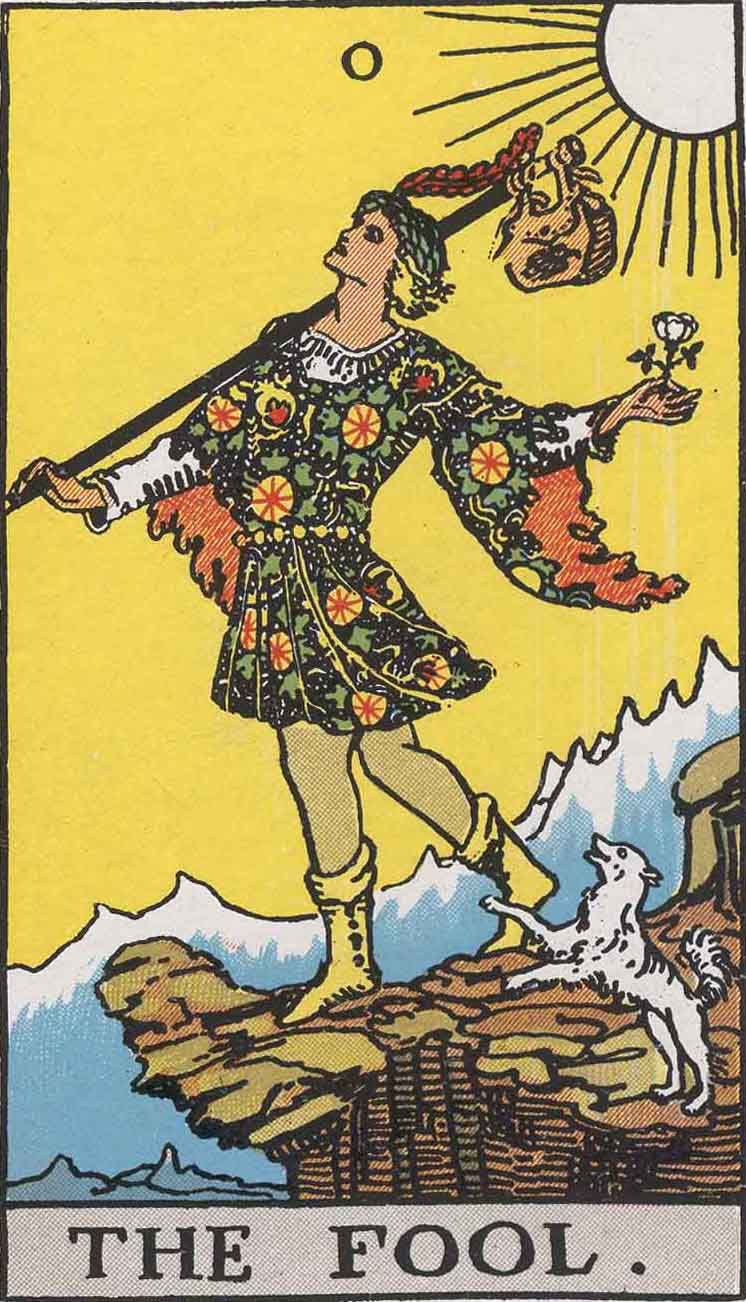 The Fool
Card 0
The Fool
Card 0
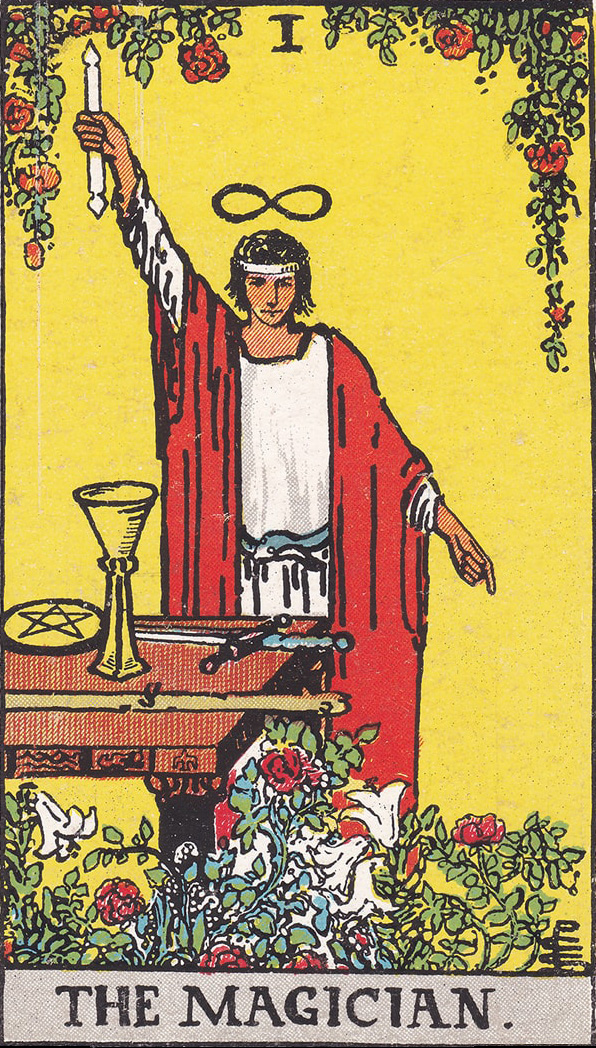 The Magician
Card 1
The Magician
Card 1
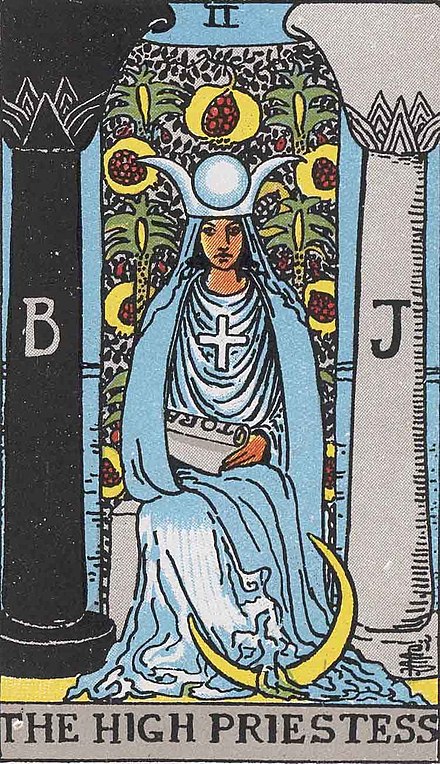 The High Priestess
Card 2
The High Priestess
Card 2
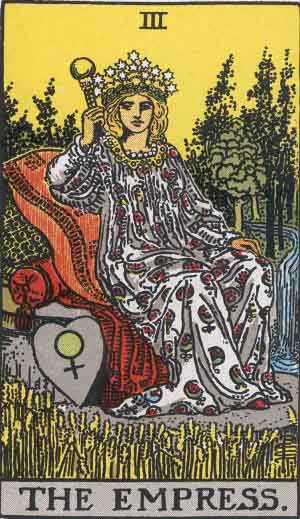 The Empress
Card 3
The Empress
Card 3
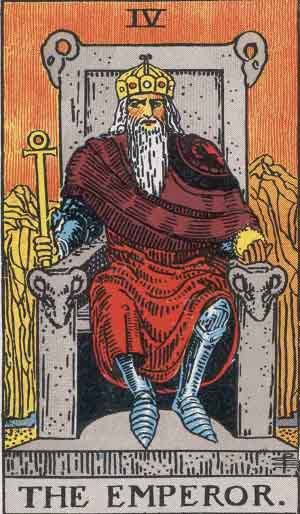 The Emperor
Card 4
The Emperor
Card 4
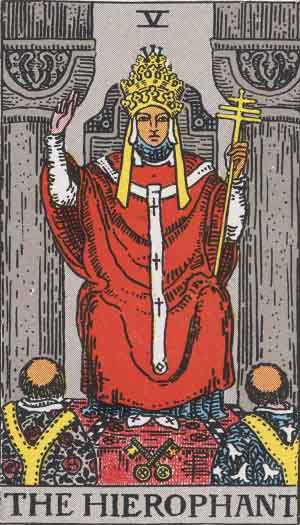 The Hierophant
Card 5
The Hierophant
Card 5
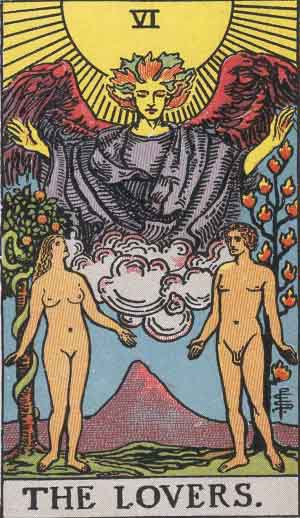 The Lovers
Card 6
The Lovers
Card 6
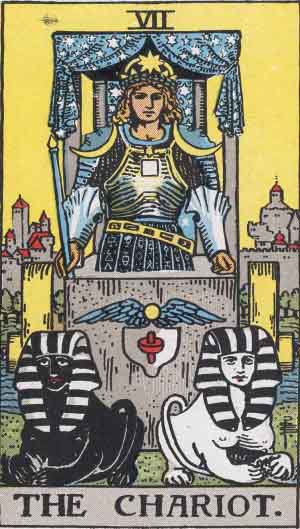 The Chariot
Card 7
The Chariot
Card 7
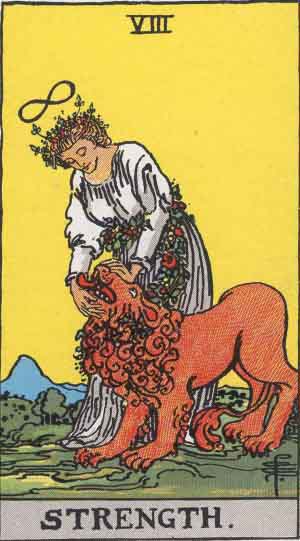 Strength
Card 8
Strength
Card 8
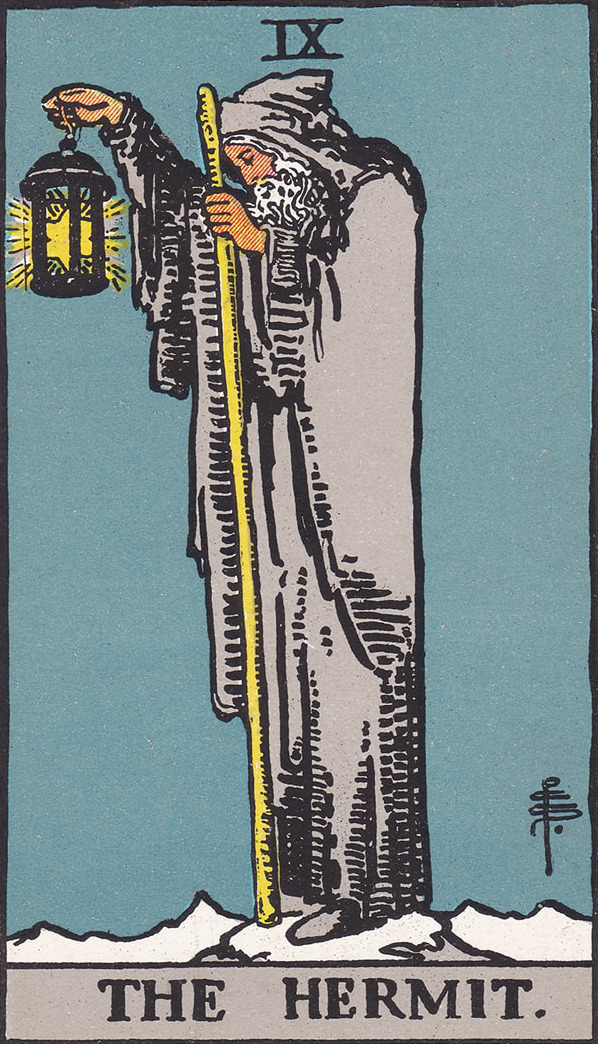 The Hermit
Card 9
The Hermit
Card 9
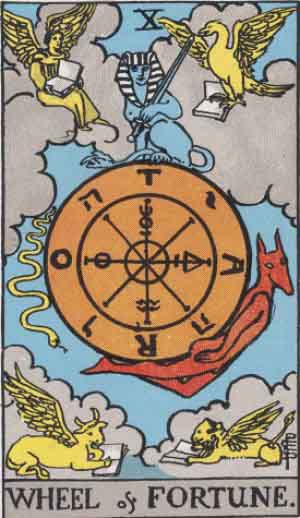 Wheel of Fortune
Card 10
Wheel of Fortune
Card 10
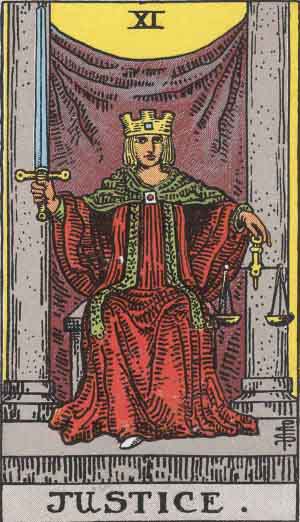 Justice
Card 11
Justice
Card 11
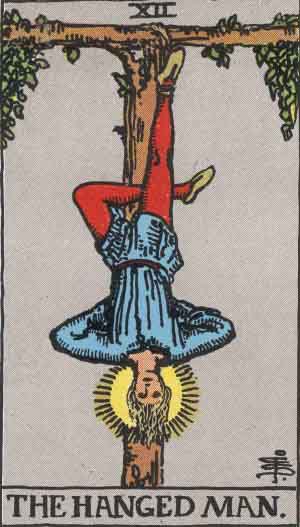 The Hanged Man
Card 12
The Hanged Man
Card 12
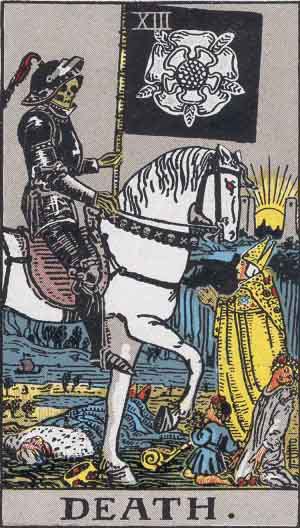 Death
Card 13
Death
Card 13
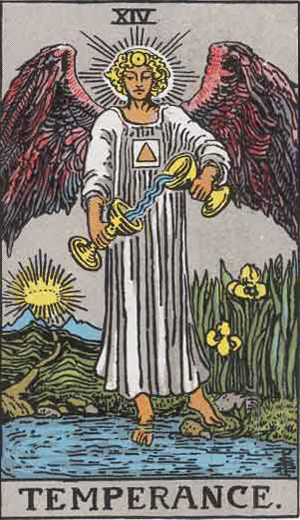 Temperance
Card 14
Temperance
Card 14
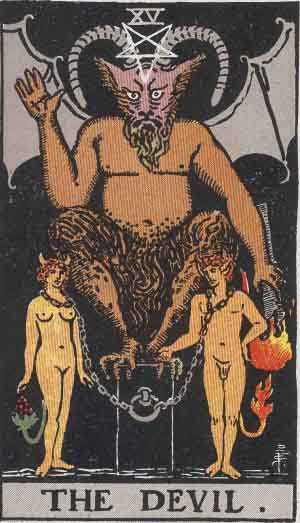 The Devil
Card 15
The Devil
Card 15
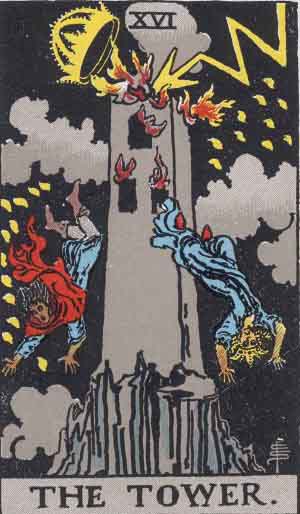 The Tower
Card 16
The Tower
Card 16
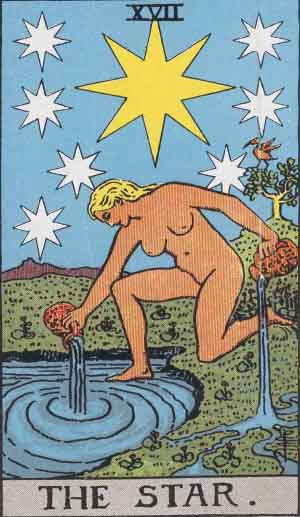 The Star
Card 17
The Star
Card 17
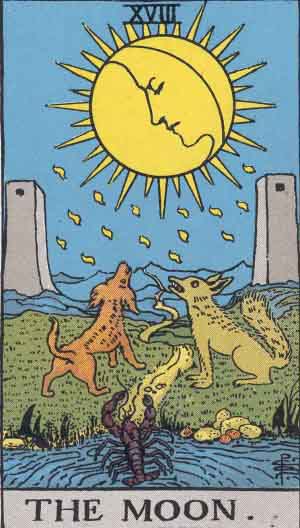 The Moon
Card 18
The Moon
Card 18
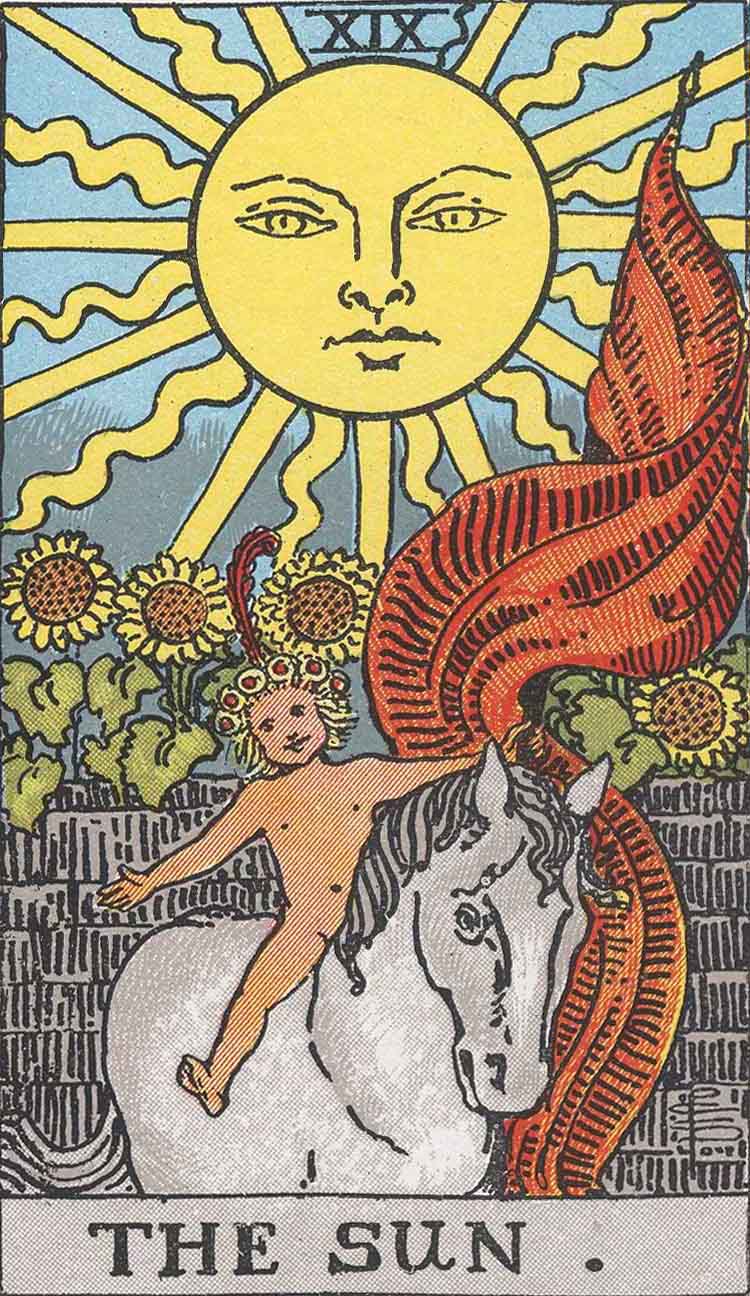 The Sun
Card 19
The Sun
Card 19
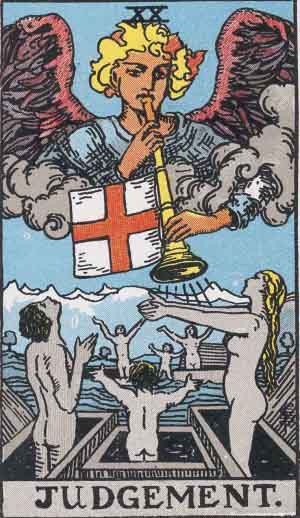 Judgement
Card 20
Judgement
Card 20
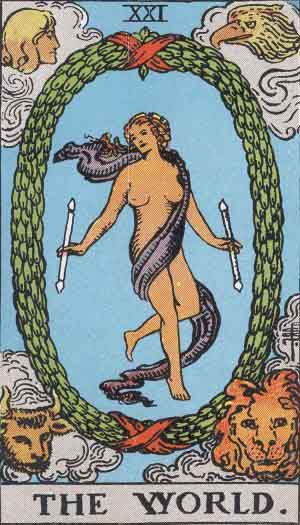 The World
Card 21
The World
Card 21
Frequently Asked Questions
What is a tarot card reading?
A tarot card reading is a reading of tarot cards to discover themes, emotions, circumstances, possibilities, and areas of contemplation.
Can tarot cards tell the future?
Tarot is not a fail-safe prediction of what will happen. A reading can offer perspective on present energy, themes, opportunities, and situations, while your decisions continue to influence what happens next.
How does an online tarot reading work?
With an online tarot card reading, you can pull tarot cards online and read the traditional meaning and symbolism. Depending on the reading, you may draw one card or numerous cards.
Are free tarot card readings accurate?
Tarot is not a factual forecast that can be measured. A free reading can be a great tool for contemplation, perspective, and examining the themes surrounding an issue or circumstance.
What's a tarot card of the day?
A tarot card of the day is a single card reading that points to a potential topic, mood or energy to be mindful of during the day.
How many cards does a tarot deck consist of?
A conventional tarot deck has 78 cards. There are 22 Major Arcana cards and 56 Minor Arcana cards.
What is the difference between Major and Minor Arcana?
The Major Arcana consists of 22 cards, typically connected with the bigger aspects of life and more significant experiences. The Minor Arcana consists of 56 cards in four suits and is more related to common life experiences and situations.
Can I have a tarot card reading in Hindi?
Yes, you can learn about tarot in Hindi, and if a tarot service offers Hindi readings, you can get interpretations in a language that is more comfortable and familiar to you.
What may I ask in a tarot reading?
You can ask about all kinds of life topics like relationships, job, personal growth, decisions, obstacles, or the overall energy of your day. Open-ended questions can frequently provide a greater area for reflection.