Strength: Tarot Card Meaning, Upright and Reversed
Imagine a mother soothing a wailing baby, or someone dealing patiently and with good humour with a problematic relative, yet within they want to explode. The strength card is about that quiet, delicate power – the kind that doesn’t shout or push, but nevertheless gets the job done. The Strength card is the 8th Major Arcana in the tarot deck. Many people think of “strength” as physical might, or anger, however this card actually teaches the contrary. It is about inner power, patience, compassion, self control and courage that comes from calmness, not force. It’s the power of softly subduing a ferocious beast instead of fighting it—the power of a person who can control his wrath, fear or ego through love and serene confidence rather than physical might. This type of power is often seen in fiction and in real life in Indian culture. A mother dealing patiently with a recalcitrant child, a teacher calming an angry pupil with kindness, or a person managing their temper in a difficult conversation instead of responding impulsively. This card has that same gentle but strong energy. Strength in a tarot reading usually means a scenario where gentleness, patience and inner strength will be more useful than hostility or force. It reminds us that true strength is in how quietly and kindly we manage a difficult circumstance, not how loudly we react to it. As with all tarot cards, the meaning of Strength depends slightly on whether it shows up upright or reversed, and the context of the question being asked.
The History of The Strength Card
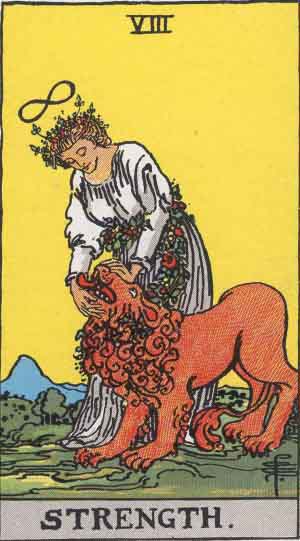
The Strength card has a long and rich history in the tradition of the tarot. In the first Italian tarot decks of the 15th century this card was often depicted somewhat differently – sometimes as a person smashing a pillar (along the lines of the biblical Samson) or as a figure physically defeating a lion by brute force. Interestingly, in many old decks, notably the renowned Tarot de Marseille, the Strength card was numbered 11 and Justice 8. It wasn’t until much later – in 1909, when A.E. Waite and Pamela Colman Smith created the Rider-Waite-Smith deck – that the numbering was flipped, with Strength becoming card 8 and Justice becoming card 11. This was not a random shift. Waite saw Strength as an expression of an instinctual, primal life force that was intuitively prior to the more ordered, intellectual energy of Justice in a person's spiritual evolution. The imagery changed a lot also over the years. The newer form (that we recognise today) depicts a woman calmly and gently resting her hands on the lips of a lion, not a person overpowering a lion via physical force, taming it not through fear or violence but through serene confidence and compassion. This change was an expression of a larger philosophical thought, that real strength was not in domination, but rather in the control of one's own inner inclinations and feelings with dignity. This is parallel to many spiritual teachings in many cultures including Indian philosophy. Controlling the mind and senses (often symbolically compared to wild animals) with patience and self discipline is a far greater achievement than controlling others by force.
The Strength Card Symbolism
The Strength card is loaded with profound meaning. This is what the traditional iconography usually displays, and this is what it means:
A woman in harmony with a lion
Represents the taming of primal, instinctual energy (such anger, fear or desire) with kindness instead of violence. The lion represents the primary emotions, the ego. The woman opening or closing the lion's mouth with her bare hands - Symbolises control via compassion and confidence, not through physical domination. There’s no whip, no weapon – just a quiet, steady presence.
An infinity sign (∞) above the woman’s head.
Symbolises immense inner strength, endless patience, and the timelessness of true courage. The same symbol is above the Magician card, tying the two cards to mastery and greater consciousness. A flower garland or belt around the woman’s waist - It signifies purity, harmony with nature, and tenderness in exercising authority.
Woman in white robes
Symbol of purity of intention, tranquillity, and clarity of mind. A serene, compassionate expression on the woman’s face - Represents tranquillity and confidence even while having to deal with something as fierce and wild as a lion.
A mountainous or wide environment in the background
Represents the challenges that are still there in life even after you have gained inner mastery. Together, these symbols tell a pretty obvious tale – that real strength comes from quiet, kind control over your own inner instincts and emotions, not from controlling others or reacting with hostility. It is the strength of patience, not fear; of tenderness, not force.
What Does The Strength Card Signify?
Meaning of Upright
- The upright meaning of the Strength card is usually:
- Courage and peaceful assurance
- Patience and self-restraint in hard times
- Compassion, particularly to yourself or someone who is struggling
- Meeting issues with poise rather than with force
- Emotional strength and stability in the face of pressure
Meaning Reversed
- When the Strength card appears in an upside down position, it usually means:
- Doubting yourself or feeling emotionally weak or overwhelmed
- Impatience and responding in fury or hostility
- Fear or lack of confidence taking over
- Difficulty controlling impulses or emotional outbursts
- Powerless in a bad scenario
The meaning of strength in many walks of life
1. Love and Relationship
Upright: Regarding love and relationships, Strength upright means you will approach relationship issues with patience, compassion and emotional maturity. This card asks you to be calm and communicate instead of reacting to issues with wrath or ego. It can be a relationship where both spouses assist each other through troubles in a more gentle way rather than controlling or forceful way. This card is for individuals who are struggling in relationships. A reminder that patience typically cures more than confrontation. Reversed: When reversed, this card can signify emotional insecurity in a partnership – impulsiveness during disagreements, feeling controlled by jealously or fear, or having trust concerns. It can also mean an emotionally overloaded partner who cannot speak calmly and leads to repeated fights.
2. Work & Money
Strength (Upright): This card is about work, and encourages you to stay calm and confident when faced with problems, instead of reacting with anger or fear. This can entail keeping your cool on a demanding assignment, dealing with a challenging boss or colleague gracefully, or having the grit and resolve to get through a rough patch at work instead of walking away. It’s a good card for those that need to assert leadership by calm rather than control. Reversed: Reversed, it may mean work stress, fatigue, losing your anger with coworkers or feeling powerless in a challenging professional position. It can also indicate self-doubt getting in the way of your work performance and decision-making.
3. Well Being
Upright: This card upright is frequently associated with mental and emotional strength in times of health issues. It is about getting through a sickness or a hard time with health by being patient, positive and taking care of yourself all the time, not by panicking. It can also show an effective management of stress-related health problems by means of a calm, steady effort – e.g. managing anxiety through mindfulness rather than repressing it.
Reversed: Reversed, this might be emotional burnout that affects your physical health, feeling so weak or hopeless you can’t take care of yourself, or health problems caused by stress, anger or worry that hasn’t been effectively dealt with.
4. Spirituality
Upright: Strength upright is about managing the mind and inner cravings via patience and self awareness. Many spiritual traditions will teach that the actual measure of spiritual advancement is the control of one's ego and instincts (sometimes symbolically compared to a wild animal). It’s a time of internal growth where you’re learning how to respond to life’s obstacles with serenity rather than reactivity, bringing you closer to the true mastery of self. Reversed: In the reversed position, it shows fighting one’s inner demons, feeling overcome by fear, rage or old ways of being that are hard to shake. It can be a signal to return to spiritual disciplines like meditation or introspection to re-establish your inner equilibrium.
5. Social and Family Life
Upright: You can handle family arguments or problematic relatives with patience and compassion rather than wrath. This is a positive card for a circumstance when you have a tough or stubborn family member and polite, calm conversation works better than confrontation. It’s also a tribute to the quiet strength so often seen in family carers. Reversed: There is family conflict because of emotional outbursts, unresolved anger, or a sense of being overburdened by family duties and standards. Rather than resolution, there is conflict.
Conclusion
The Strength card gives one of the most significant teachings in life -- the fact that true strength doesn't come from force, rage or control over others, but from the peaceful command of your own emotions and instincts. Real power is sometimes soft on the outside but takes great courage on the inside, just like the woman on the card, taming the lion peacefully, without fear or hostility. This card is a great reminder that patience is not weakness, and tranquillity is not passivity - they are in fact some of the most powerful weapons we possess in terms of dealing with life’s obstacles, whether they be in relationship, profession, health or personal growth. When reversed, this card is a gentle reminder to stop and check in with yourself. Am I responding from a place of fear and fury or patience and clarity? It’s calling you to that quiet, kind inner strength even when things feel too big. In the end, The Strength card teaches us that the softest approach is frequently the strongest one — and that true courage often looks like patience, compassion and calm self-control, rather than loud power.
Explore the Other Major Arcana Cards
Every Major Arcana card carries its own chapter of the tarot journey.
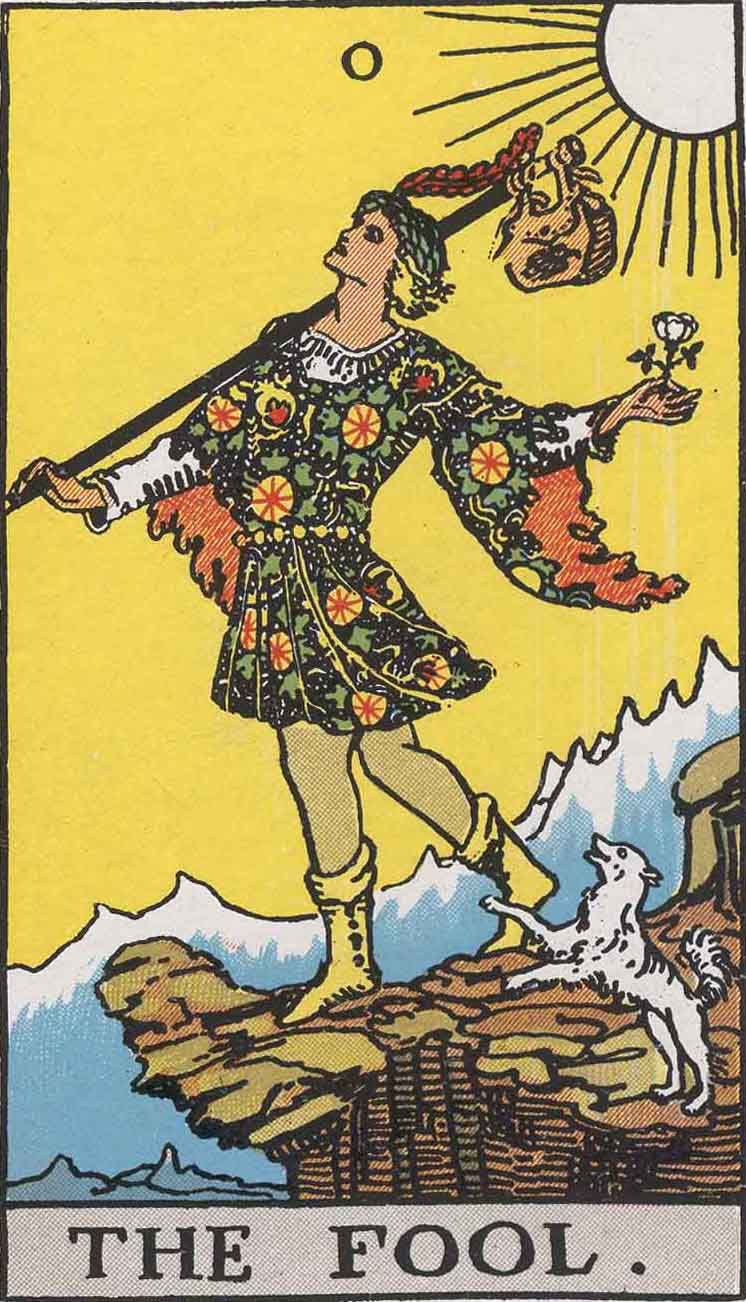 The Fool
Card 0
The Fool
Card 0
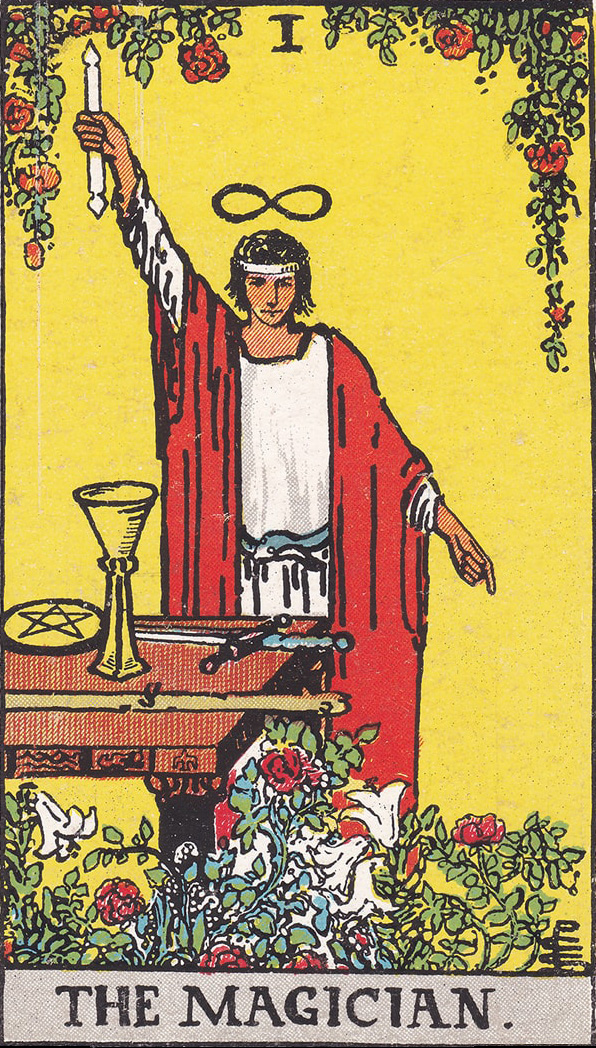 The Magician
Card 1
The Magician
Card 1
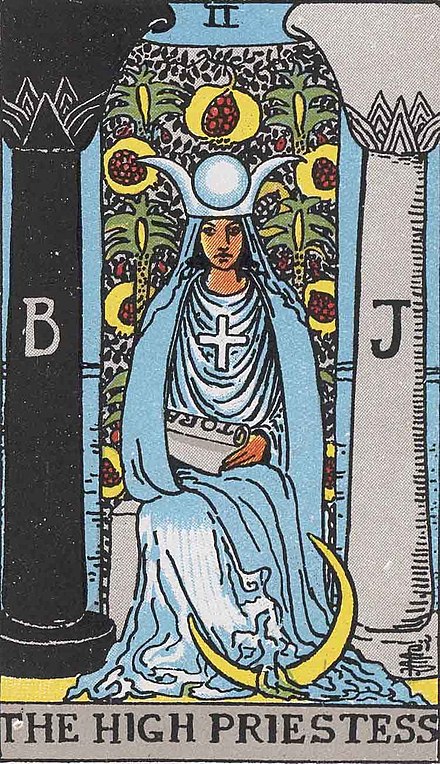 The High Priestess
Card 2
The High Priestess
Card 2
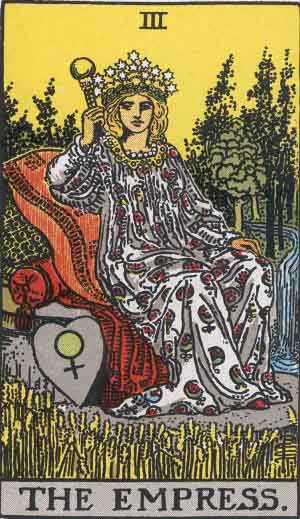 The Empress
Card 3
The Empress
Card 3
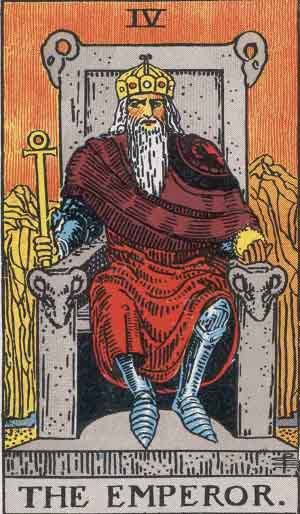 The Emperor
Card 4
The Emperor
Card 4
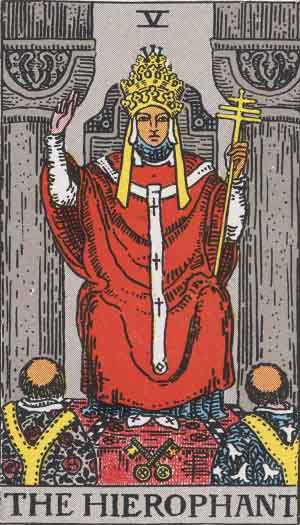 The Hierophant
Card 5
The Hierophant
Card 5
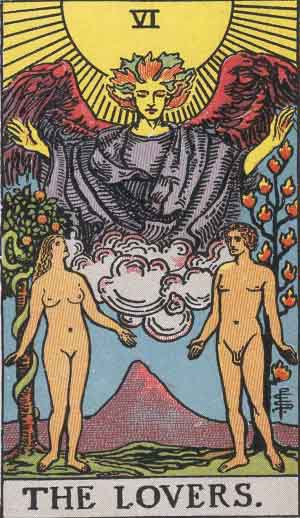 The Lovers
Card 6
The Lovers
Card 6
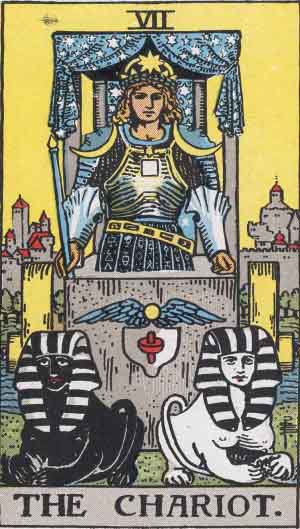 The Chariot
Card 7
The Chariot
Card 7
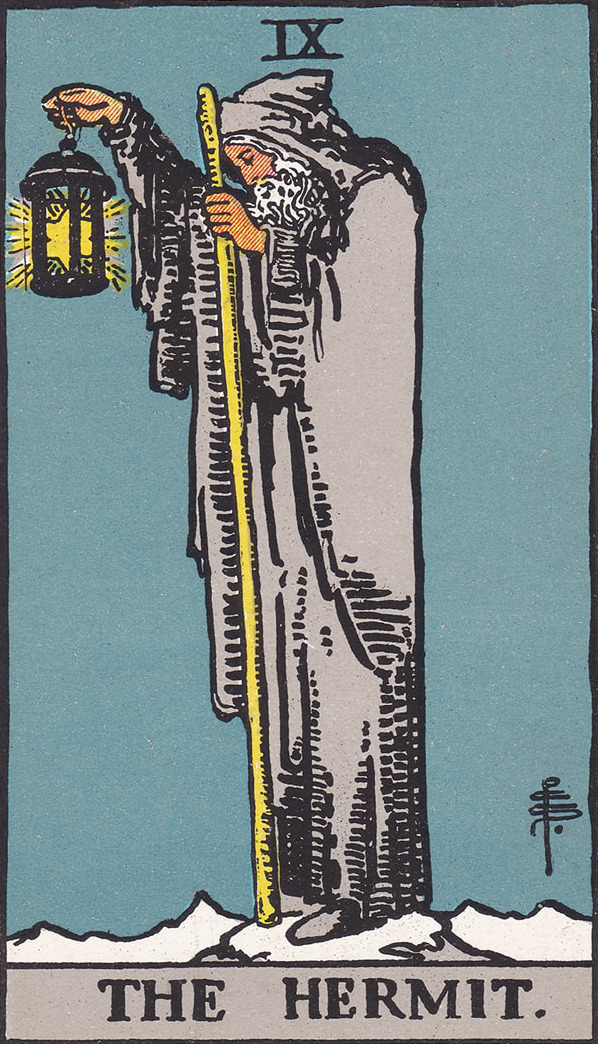 The Hermit
Card 9
The Hermit
Card 9
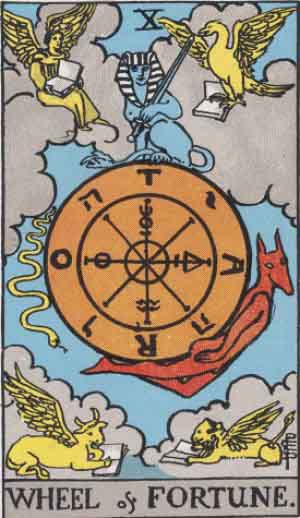 Wheel of Fortune
Card 10
Wheel of Fortune
Card 10
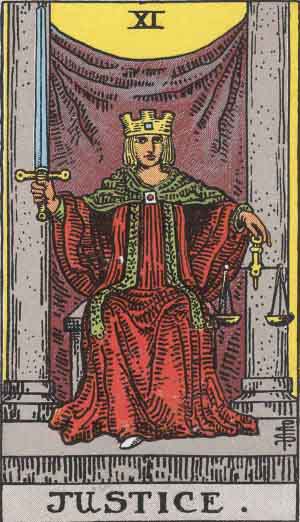 Justice
Card 11
Justice
Card 11
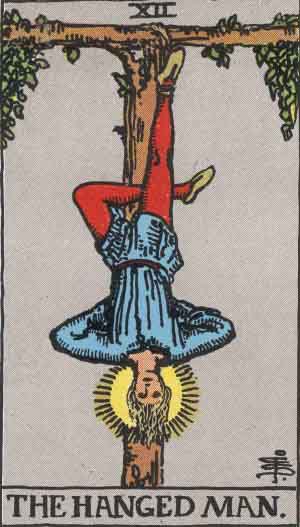 The Hanged Man
Card 12
The Hanged Man
Card 12
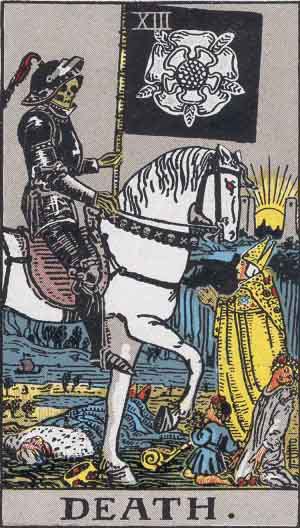 Death
Card 13
Death
Card 13
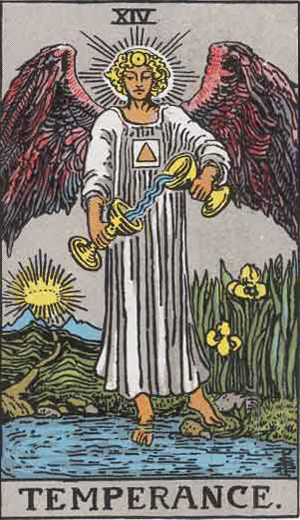 Temperance
Card 14
Temperance
Card 14
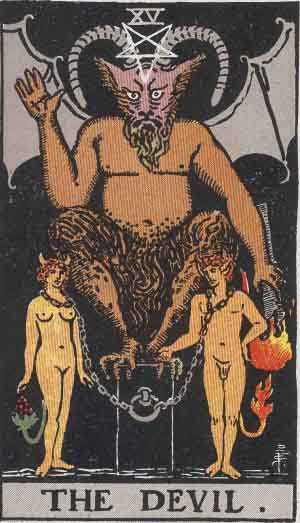 The Devil
Card 15
The Devil
Card 15
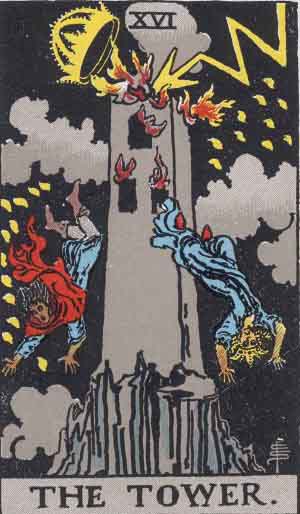 The Tower
Card 16
The Tower
Card 16
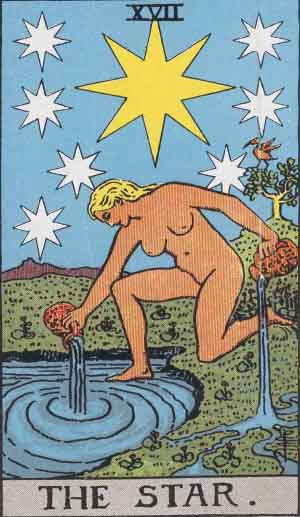 The Star
Card 17
The Star
Card 17
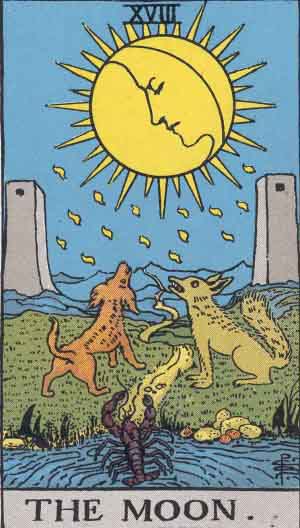 The Moon
Card 18
The Moon
Card 18
 The Sun
Card 19
The Sun
Card 19
 Judgement
Card 20
Judgement
Card 20
 The World
Card 21
The World
Card 21
Frequently Asked Questions
1. What is the meaning of the Strength tarot card?
The Strength card indicates inner courage, patience, and self-control gained by gentleness and compassion instead of violence or physical force. It’s about coolly controlling your own emotions and instincts.
2. Should there be strength in a tarot reading?
Yes, erect, Strength is normally a very positive card, representing emotional strength, patience and the capacity to conquer problems with elegance. Reversed, it indicates emotional issues that can be resolved through with self-awareness.
3. What Does Strength Mean in a Love or Relationship Reading?
When vertical, it means dealing with relationship issues using patience, empathy, and emotional maturity, which leads to more effective communication and deeper relationships between couples.
4. Why is there a lion taming a woman on the Strength card?
The woman embodies calm, empathetic control, whereas the lion stands for unbridled emotion, instinct, or ego. The imagery implies that true power comes from the gentle mastery of the energies within, not via violence or suppression.
5. What is the difference between Strength and The Chariot?
The Chariot is about willpower and winning via focus, determination and controlling conflicting external forces In contrast, strength is a mastery of inner emotions acquired by patience, gentleness, and compassion, not active control or force.
6. What is strength for a person in a difficult phase?
This is a soothing card that means that even in hard times your calm, patience and inner courage will see you through the problem better than panic, wrath or giving up.
7. Can the Strength card mean healing from emotional trauma?
Yes. You will commonly see this card when someone is working on healing emotionally. They are steadily gaining strength and confidence, after a painful experience, with patience and self-compassion.