The Hierophant: Tarot Card Meaning, Upright and Reversed
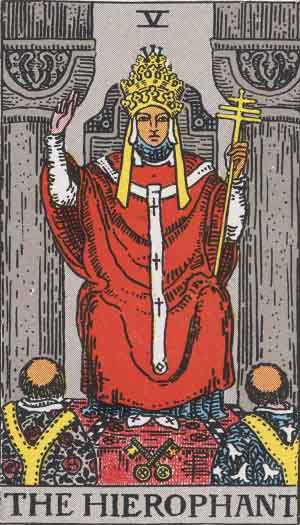
Think of seeking counsel from a wise guru, a pandit or a respected senior in your family. Someone who knows the shastras, the rituals, the appropriate manner of doing things. That’s the force of The Hierophant card. The Hierophant is the 5th card in the Major Arcana of a tarot deck. Simply said it is Tradition, Religion, spiritual teachers, rules, and structured learning. In the tarot you can think of it as the guru-ji, the priest, the teacher, or even the school, temple, or organization that everyone abides by. In a reading this card usually alludes to following a proper system, looking for direction from an expert, following tradition or learning anything in a systematic fashion. Just as we follow customs in a puja, or a student follows the teacher’s guidance step-by-step. It’s not a “bad” card or a “good” card by itself. Like other tarot cards, its significance varies according to the position (upright or reversed) and the query stated.
The Hierophant at a glance
| Detail | Meaning |
|---|---|
| The Hierophant Number | 5 |
| Arcana | Major Arcana |
| Element | Earth, in most contemporary Tarot traditions |
| Core Themes | Tradition, wisdom, guidance, spirituality, education, beliefs, established systems |
| Upright | Tradition, guidance, learning, spiritual wisdom, commitment, shared beliefs |
| Reversed | Rebellion, unconventional beliefs, questioning tradition, restriction, challenging established systems |
Symbolism of The Hierophant Card
Each tarot card is filled with tiny details, and each one adds meaning. Here’s what you normally see in The Hierophant card: A robed person between two pillars – To symbolise the union of spiritual understanding with worldly knowledge, like a guru connecting the material and spiritual realms. Triple crown – This represents mastery of three realms: the mind, body and spirit (orheaven, earth and the underworld, in some interpretations). Two fingers up (the blessing sign) – This is a sign of teaching and blessing, the way elders bless us by stroking our head or offering ashrivad. A golden key or crossed keys at his feet – This symbolises “the keys to knowledge” – meaning the notion that organised learning leads to wisdom. Two students/devotees kneeling in front of him – This represents the student-teacher relationship, akin to the guru-shishya parampara in Indian culture. A tall staff or sceptre — Symbol of spiritual or religious authority. Together, these symbols tell us that this card represents structured wisdom passed down through tradition – wisdom that is not discovered by yourself but taught to you by someone else, through an established system.
The Hierophant: What it Means (Upright & Reverse)
Meaning of Upright
- The Hierophant erect often means:
- By custom, regulation or system
- Seeking advice from a teacher, mentor or spiritual guide
- Being married or being in a socially accepted commitment
- Education/Learning/Certification/Training (Formal)
- Doing things "the right way" and conformity
Reversed or Opposite meaning
When The Hierophant is upside down or reversed, it usually means:
- Breaking away from convention or old rules
- Challenging religious/social authority or norms
- Going your own way instead of going with the flow
- Uncommon ideas or a rebellion against a system
- Feeling confined, desiring to be free of severe rules
The Hierophant Meaning in Different Life Areas
1. Love and Relationships
Standing: In a love reading, The Hierophant upright frequently means traditional partnerships, marriage or family-approved commitments. It can represent a relationship that follows a “proper” course—like a couple getting ready for marriage, observing family traditions, or seeking blessings from elders. It can also indicate asking for advice from a reliable person, like a counsellor or elder, on relationships. Reversed: When this card appears upside down, it can signify breaking away from the usual ways of conducting relationships, such picking a partner against your family's desires, not getting married, or feeling trapped by the rules of a relationship. It can also be a sign of revolt against the social expectations of love.
2. Work and Money
upright: The Hierophant upright career meaning is working inside an established system — solid position, a reputable company, following office protocols, or taking official education/certification to advance in your profession. This is an excellent card for those who are studying for tests, entering colleges or looking for mentors at work. Reversed: Reversed, it can suggest frustration with inflexible workplace rules, desires to quit a traditional employment for something unusual (such as entrepreneurship or a creative vocation), or disagreement with authoritative figures such as a boss or institution.
3. Health
Upright: This card upright frequently means following conventional or established medical advice -- seeing a qualified doctor, sticking to prescribed treatment or relying on time-tested cures instead of experimenting. Reversed: In reverse, it might mean looking for other ways to treat yourself, questioning a doctor’s advice, or thinking that traditional medicine is not working.
4. Spiritually-wise
Upright: The Hierophant is highly related with spirituality. Upright it signifies organised religion, spiritual instructors, rituals and structured spiritual practice – such as following a guru, going to satsang or a certain spiritual discipline. Reversed: Reversed, it signifies a turning away from organised religion and toward a personal, self-made spiritual path — challenging religious orthodoxy and discovering your own relationship with the divine, independent of temples and organisations.
5. Family & Social Life
Upright: Respect family traditions, holidays, customs and knowledge of elders. Good card for weddings, religious rituals or family events according to age-old customs. Reversed: This suggests a disagreement with family traditions, generational differences, or choosing to celebrate/live differently from what your family expects.
Conclusion
The Hierophant is a reminder that not all wisdom needs to be found alone – sometimes the answers we seek are already out there in tradition, in the instruction of a teacher or in a system that has worked for generations. It shows us the importance of organization, mentorship and staying on the right track. Reversed, this card asks us to evaluate ourselves: *Is this rule still benefitting me, or am I just following it out of habit?* It promotes healthy questioning – much as India’s finest thinkers revered tradition, but questioned it too to bring forth progress. Either way, The Hierophant is asking you to think about your relationship with authority, tradition, and structured guidance in your own life.
Explore the Other Major Arcana Cards
Every Major Arcana card carries its own chapter of the tarot journey.
 The Fool
Card 0
The Fool
Card 0
 The Magician
Card 1
The Magician
Card 1
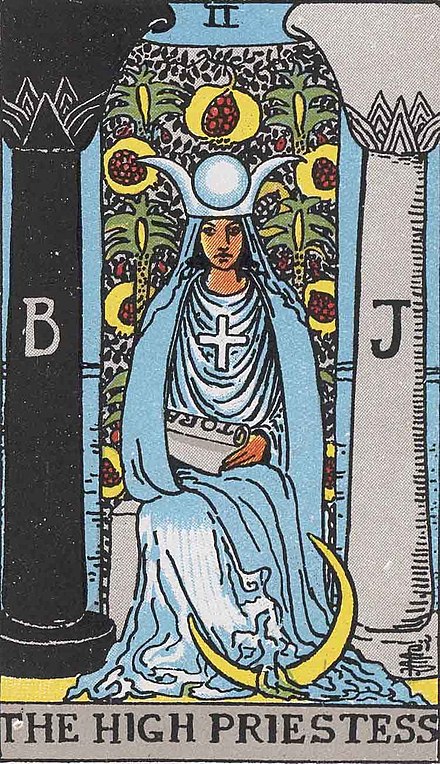 The High Priestess
Card 2
The High Priestess
Card 2
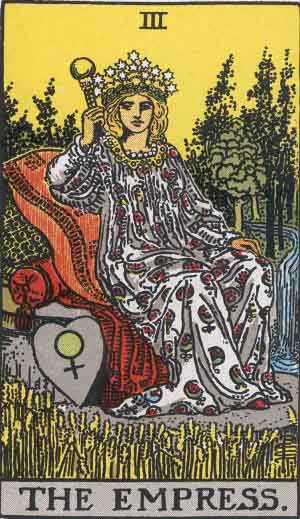 The Empress
Card 3
The Empress
Card 3
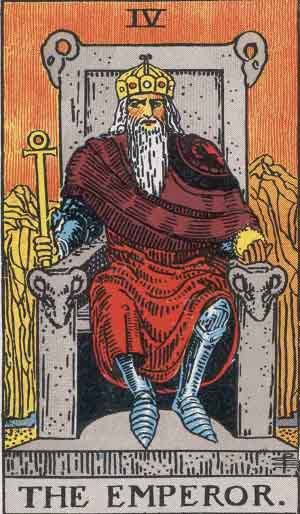 The Emperor
Card 4
The Emperor
Card 4
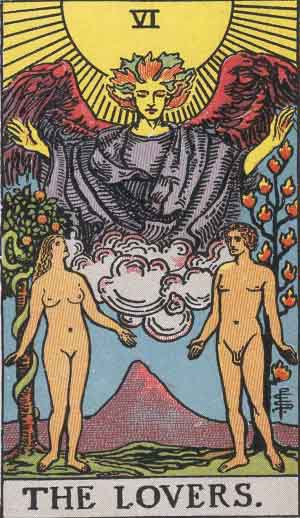 The Lovers
Card 6
The Lovers
Card 6
 The Chariot
Card 7
The Chariot
Card 7
 Strength
Card 8
Strength
Card 8
 The Hermit
Card 9
The Hermit
Card 9
 Wheel of Fortune
Card 10
Wheel of Fortune
Card 10
 Justice
Card 11
Justice
Card 11
 The Hanged Man
Card 12
The Hanged Man
Card 12
 Death
Card 13
Death
Card 13
 Temperance
Card 14
Temperance
Card 14
 The Devil
Card 15
The Devil
Card 15
 The Tower
Card 16
The Tower
Card 16
 The Star
Card 17
The Star
Card 17
 The Moon
Card 18
The Moon
Card 18
 The Sun
Card 19
The Sun
Card 19
 Judgement
Card 20
Judgement
Card 20
 The World
Card 21
The World
Card 21
Frequently Asked Questions
1. Is the Hierophant a good or a poor card?
The Hierophant is not good or terrible, but both. Standing upright, it is often favourable, representing stability and guidance. Upside down it points to problems with authority or tradition and that isn’t always a bad thing, it may also represent healthy independence.
2.What Does The Hierophant Mean For Marriage?
The Hierophant often points to a traditional marriage, especially one that respects family traditions or has the approval of elders. It is seen as a good card for questions regarding marriage.
3. What if I get The Hierophant Card and should I follow religion?
Not necessarily a religion . It is representative of systematic belief systems in general . It might be religion, but it might also be any organised system of direction, be it a mentor, a school or a professional code of behaviour.
4. How does The Hierophant differ from The Emperor?
The Emperor is earthly authority, leadership, structure (like a king or a boss) while The Hierophant is spiritual or moral authority (like a guru or religious leader). They both have to do with structure but in distinct aspects of life.
5. The role of The Hierophant in professional development?
It usually means development through official schooling, through certificates or through employment in an established organization rather than through non-traditional or independent routes.
6. Is the Hierophant a teacher or mentor in real life?
Yes. This card frequently depicts a real person – a teacher, guru, counsellor or mentor – who may play a significant role in teaching you.